With chronic traumatic encephalopathy (CTE) emerging as a major issue across contact sports, youth leagues and professional teams have been asking how to preserve long-term brain health. Studies have shown a concerningly high percentage of athletes in contact sports are diagnosed with CTE. To understand the impact of CTE, it is important to first understand what it is.
What is CTE?
Chronic traumatic encephalopathy, also known as CTE, is a degenerative brain disease linked to repeated head trauma and can be diagnosed only postmortem. It is caused by an abnormal buildup of tau proteins, beginning in the cerebral cortex and later spreading throughout the brain. This can lead to symptoms such as memory loss, confusion, depression, aggression and, eventually, dementia.
With an already extensive list of harmful effects, CTE is now believed to be linked to an increased risk of suicide. The disease was initially labeled “punch-drunk syndrome” in 1928 by New Jersey pathologist Dr. Harrison Martland, who observed neurological changes in boxers. It was not until decades later that the disease became known as CTE.
Dr. Bennet Omalu, a Nigerian American forensic pathologist, is credited with identifying CTE in 2002 after examining the brain of former NFL player Mike Webster. Following his findings, the NFL and other major sports leagues disputed the diagnosis, viewing it as a potential threat to the popularity of professional sports.
Major Cases of CTE
Mike Webster was the first documented case of CTE. The Pittsburgh Steelers Hall of Fame center was known for his toughness and grit on the gridiron. During his 17-year career, Webster won four Super Bowls and was a nine-time Pro Bowl selection, along with six first-team All-Pro honors.
His stellar career came at a cost. After retiring from professional football, Webster experienced severe health issues, including depression, dementia and chronic pain stemming from repeated head trauma. These struggles led to homelessness and financial hardship, eventually forcing him into the care of his youngest son, Garrett Webster.
As his condition worsened, Webster became so agitated that he used electroconvulsive therapy to help him sleep. This treatment is believed to have contributed to his early death from a heart attack at age 50. Webster’s son, Garrett, now serves as an administrator for the Brain Injury Research Institute in Pittsburgh, which encourages individuals with a history of head trauma to donate their brains for research after death.
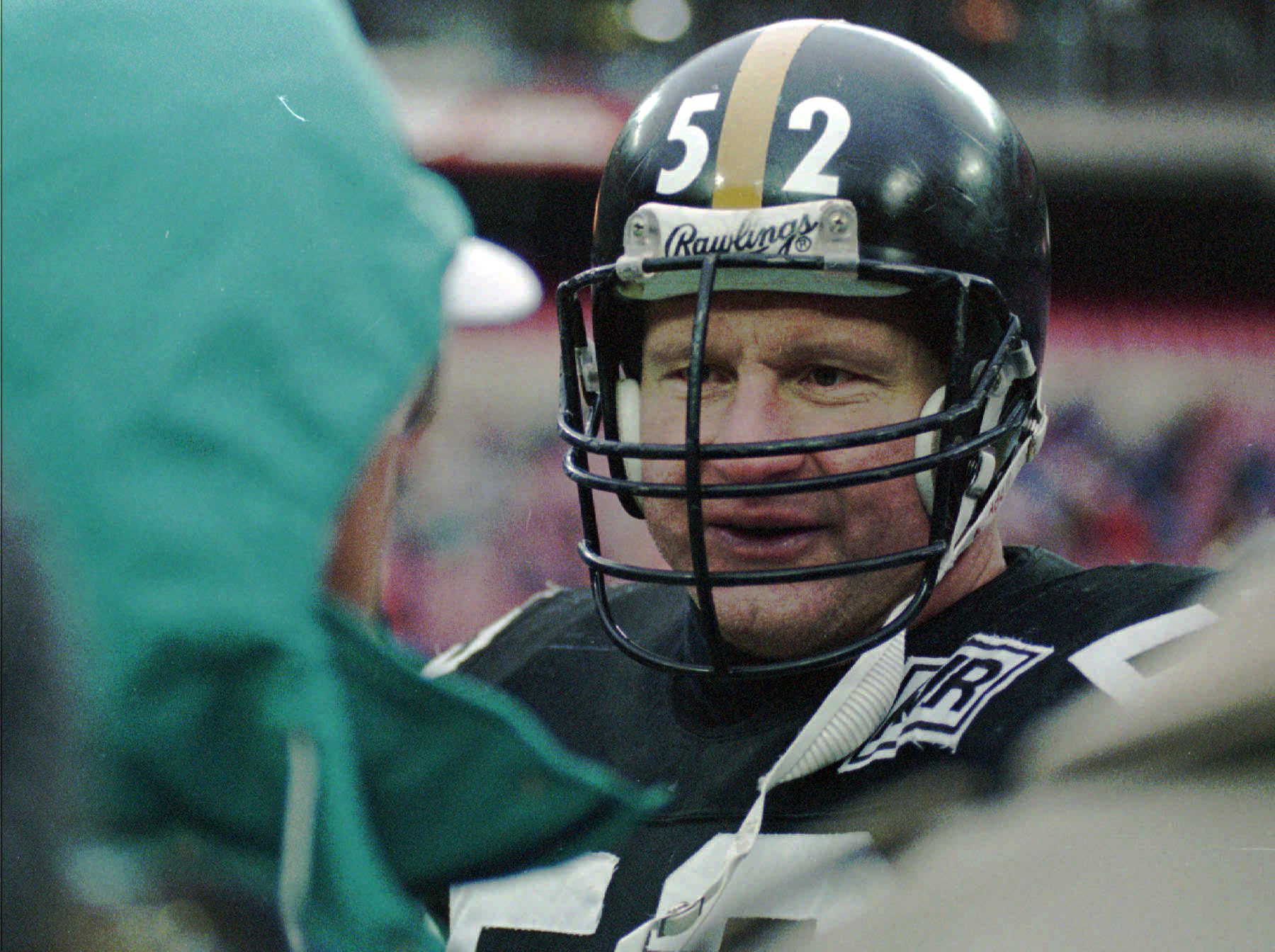
FILE – In this 1988 season file photo, Pittsburgh Steelers center Mike Webster is shown. (AP Photo/Gene J. Puskar, File) (AP)
One of the most well-known cases associated with CTE is the rise and fall of former NFL tight end Aaron Hernandez’s Hernandez played for the New England Patriots from 2010 to 2012. During his time with the team, he developed a reputation as a physically tough player but one who struggled off the field.
Hernandez had a troubled upbringing and a history of anger issues, which later coincided with multiple encounters with law enforcement. In 2012, he was charged in connection with a shooting that killed two men, Daniel de Abreu and Safiro Furtado, following an altercation outside a Boston nightclub. Hernandez was later acquitted of those charges.
In 2013, Hernandez was arrested and later convicted of the murder of Odin Lloyd, the boyfriend of his fiancée’s sister. Lloyd’s body was found about a mile from Hernandez’s home. Hernandez was sentenced to life in prison without the possibility of parole.
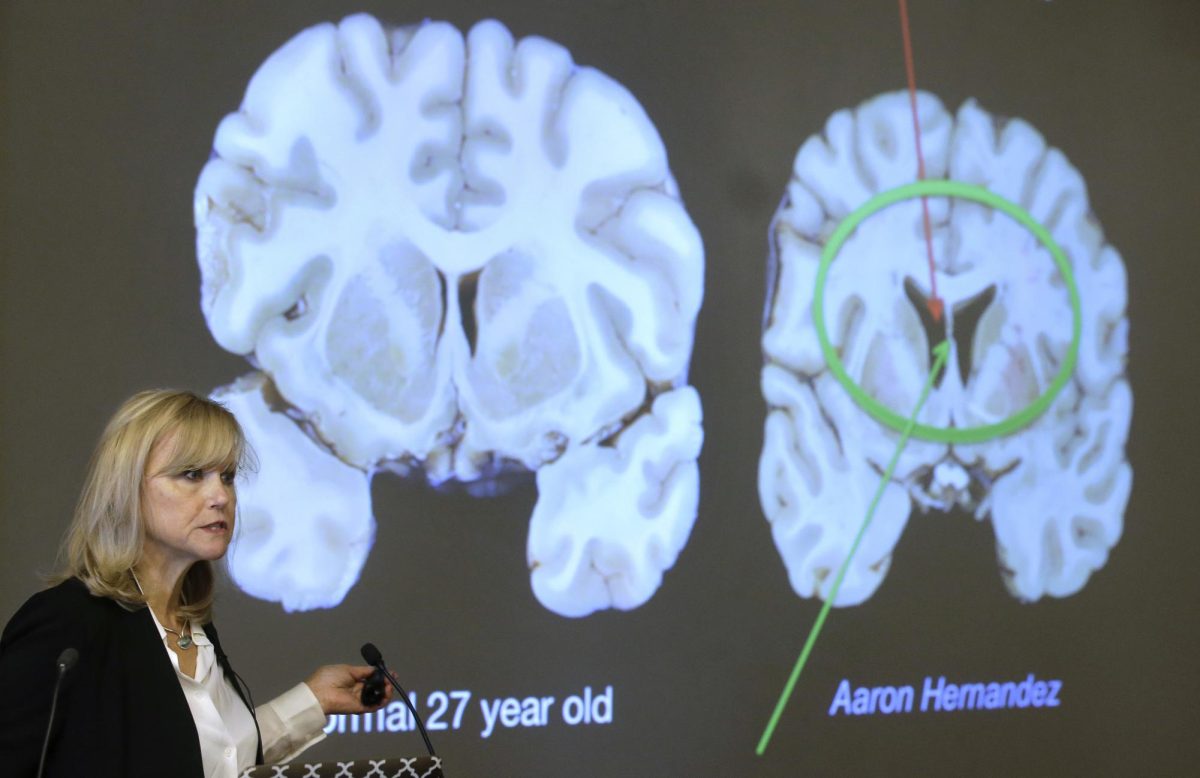
Hernandez died in his prison cell in 2017 at age 27. Following his death, his brain was examined for signs of CTE. Researchers found evidence of severe brain trauma. Boston University researchers said the damage was among the most advanced they had ever seen in someone so young, comparable only to cases involving much older individuals.

One of the youngest cases of CTE was found in a 17-year-old Mac Parkman. He was a young athlete who participated in amateur sports, including wrestling, rugby, hockey, and football. Mac had committed suicide after suffering from depression and schizophrenia; he shared these details in a goodbye video before taking his life. After his death, Mac’s brain was diagnosed with CTE, and his father (Bruce Parkman) believes it was due to the concussive nature of the activities he engaged in as a child. He also believes that the mental health issues his son was struggling with were caused by the damage he had suffered in contact sports. Now, his family leads the Mac Parkman Foundation, where they honor Mac’s legacy and spread awareness of the danger of contact sports at an early age. His family is also fighting to push for New Legislation that warns parents of young athletes about repetitive head trauma.
One of the youngest documented cases of CTE was found in Mac Parkman, who was 17. Parkman was a multisport athlete who participated in amateur wrestling, rugby, hockey and football.
Parkman died by suicide after struggling with depression and schizophrenia. He discussed his mental health challenges in a video recorded before his death. Following an examination, his brain was found to show signs of CTE.
His father, Bruce Parkman, has said he believes the disease was caused by repeated head trauma from contact sports and that his son’s mental health struggles were linked to that damage. Parkman’s family now leads the Mac Parkman Foundation, which honors his legacy and works to raise awareness about the risks of contact sports at a young age.
The family is also advocating for new legislation that would require warnings to parents about the dangers of repetitive head trauma in youth sports.
The Human Cost of CTE
Each suicide linked to Chronic Traumatic Encephalopathy represents a life overwhelmed by despair and pain, and the issue is far too common. Eight different studies show that 40% of individuals diagnosed with CTE had succumbed to suicide. In athletes younger than thirty, the rate rises from 40% to 52.4%. More than 25% of living NFL athletes who are believed to have CTE have experienced suicidal thoughts. Individuals who are suspected of CTE are two times higher at risk of suicide compared to individuals without such injuries. Other studies have suggested the risk could be up to three times as high. At Boston University, 91.7% of the deceased NFL players who were studying CTE were diagnosed. The same study concluded that CTE was found in 91% of college football players and 21% of high school players. These numbers are projected to double in the next 50 years.
The lives lost to CTE remind us of the silent battles these individuals faced. Their suicides are heartbreaks we cannot ignore, and their stories demand our compassion, action, and vigilance to protect those still at risk. If you are suffering from suicidal thoughts or self-harm, please contact the 988 Suicide and Crisis Lifeline.