Information about the environmental impact of generative artificial intelligence is often limited, which some critics argue is deliberate. Still, the technology’s environmental footprint begins early in its life cycle. GPU production requires large amounts of precious metals, and the mining practices used to extract them are often environmentally harmful, with the immediate effects falling primarily on marginalized communities.
One of the most common methods of extracting precious minerals is open-pit mining, which is often conducted without regard for the aftereffects local communities are left to face. Exposing large areas of previously protected rock layers to the elements has led to more frequent landslides, flooding, resource depletion and contaminated aquifers.
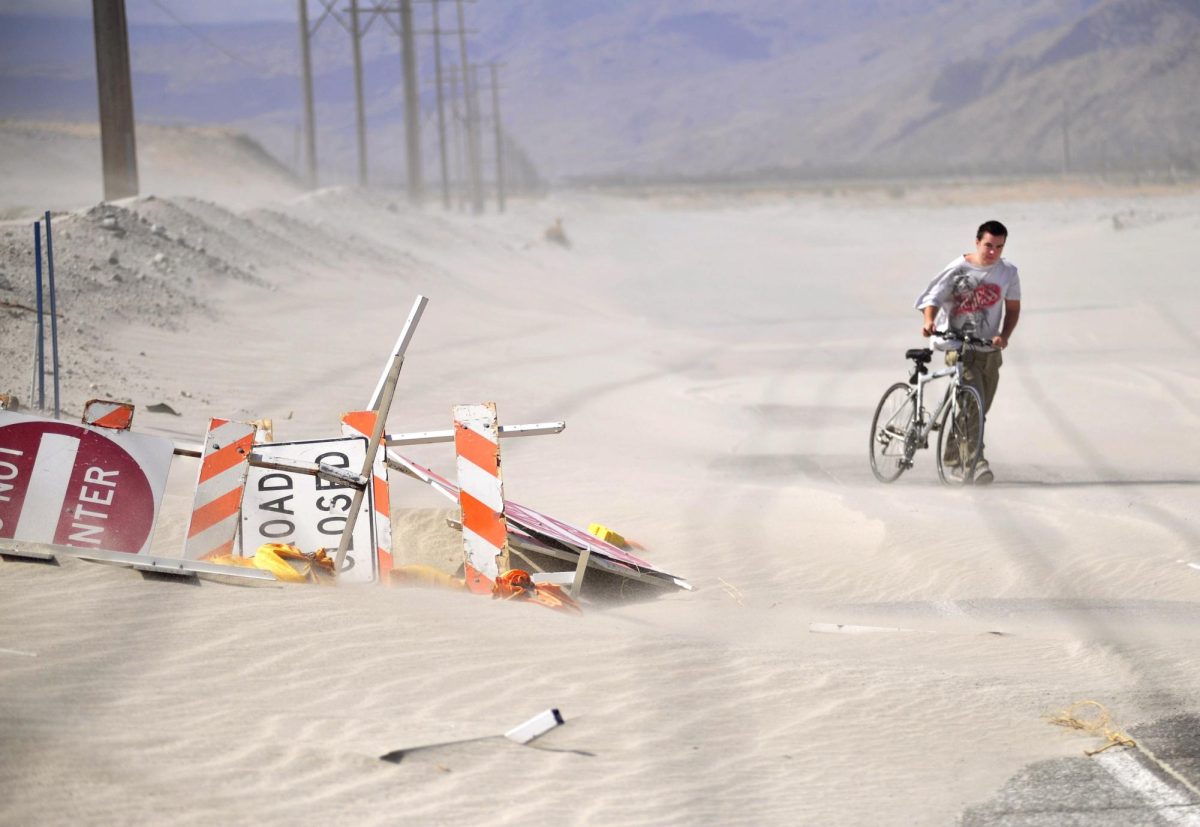
Even a rare earth mineral extraction facility in the Coachella Valley that uses a “cleaner” method of mining, has had significant effects on the local environment. The Salton Sea is home to a growing lithium extraction facility, which some climate activists point out correlates significantly with rising reports of increased incidences of lung disease due to dust pollution.
This doesn’t account for the environmental impact of wars fought over these resources. For example, the US military emitted more than 25,000 kilotons of greenhouse gases in 2017 alone, solely through burning fossil fuels. This does not account for spent munitions, or the pollutive after effects of so-called “burn pits” still in use by the Armed Forces, despite global outcry.
Another major contributor to the environmental impact of generative artificial intelligence is data center power consumption. These centers, which burn through graphics cards at a rapid rate, also require large amounts of energy to process neural networks. In the case of ChatGPT, a single response takes 10x the energy consumption that a Google search does. This sizeable cost adds up quickly, leading to a huge jump in electrical consumption over the past three years since popular generative artificial intelligence platforms such as OpenAI’s ChatGPT have gained prominence.
Individual consumers have largely shouldered the increased burden on their electrical grids that these data-centers create, resulting in energy prices rising over 63% since 2020 in California alone. This energy production is by no means largely clean, as more than half of our energy produced in the United States comes from either coal-burning power plants or natural gas plants.
The final, and perhaps most immediately relevant, environmental impact of these large datacenters being created for the sole purpose of generative artificial intelligence models, such as large language models, is the necessity for large amounts of clean water used in cooling. AI-focused datacenters are projected to use up to 73 billion gallons of water annually by 2028. The water used by datacenters would be enough for roughly 2.4 million Americans’ daily use. This water, when it is not sent directly to a treatment plant, where it requires additional power expenditure to become potable again, is typically evaporated into the nearby atmosphere. While this water is not “wasted” per se, it is often sourced from aquifers, which will not be replenished as quickly as the water is used up. This kind of irresponsible aquifer usage can lead to clean water scarcity in the surrounding areas, sinkholes, and, in extreme examples, desertification.
In the background of a massive trillion-dollar ‘investiture‘ into Artificial Intelligence, global climate change has passed a “tipping point” at the same time as the share of artificially generated articles on the internet briefly overtook those written by humans for the first time. These combined effects, alongside a dramatic increase in the construction of new datacenters for generative AI, may pose an environmental risk potentially more devastating than the Dust Bowl, while a chorus of chatbots cheer it on.