This month, I revisited a long-standing entry in the Tales series, now reintroduced as Tales of Xillia Remastered. This title was developed by Namco Tales Studio and first launched on the PlayStation 3 in Japan in 2011, with a Western release following in 2013. This was the 13th mainline entry in the franchise and was also set to land on the series 15th anniversary. Namco Tales Studio also played a major role in shaping Tales of Symphonia, along with Tales of the Abyss and Tales of Vesperia. Tales of Xillia Remastered has launched across modern platforms and served as my third foray into the Tales Series.
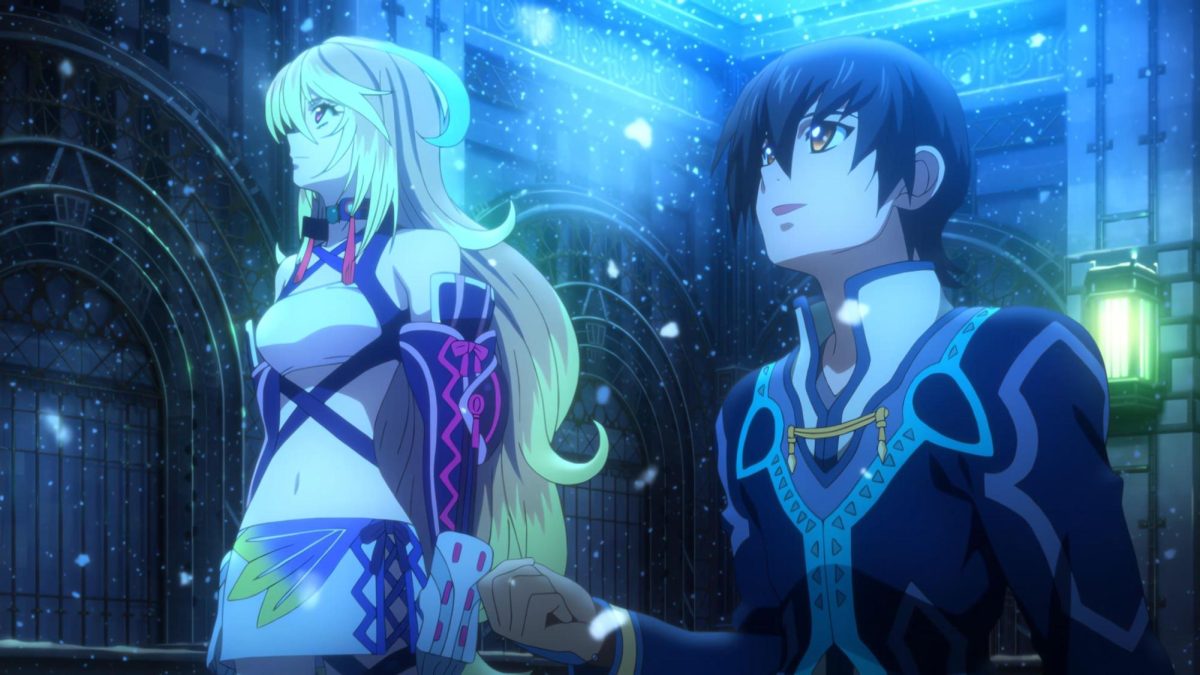
Tales of Xillia is set in Rieze Maxia, a world where humans and spirits coexist. The game lets you choose between two protagonists, including Jude Mathis, a medical student, or Milla Maxwell, a powerful woman claiming to be Maxwell, Lord of Spirits. Their journey begins when the two have a chance encounter at a research facility in Fennmont and uncover a secret project to harness the power of Spirits for a new weapon known as the Lance of Kresnik. This event prompts the two to uncover the truth behind the weapon and compels them to protect the balance of Rieze Maxia.
The combat system, known as the ‘Dual Raid Linear Motion Battle System’ as Bandai Namco dubs it, is an evolution of the style developed in previous Tales games. Coming off the coattails of Tales of Symphonia, Xillia proved to be faster and more fluid. One new highlight is the ‘Linked Combat System’, which lets you “link” your controlled character with a partner in battle. You get various benefits, such as guarding your partner or breaking the enemy’s guard, and using powerful attacks called ‘Linked Artes’.
The strength of Tales of Xillia Remastered lies in its vibrant world, likable cast, and kinetic combat. Battles require balancing magic resources and strategic planning, keeping the action engaging without ever feeling repetitive. The diverse roster of playable characters adds variety to the experience. You can take a more passive approach with magic users like Elize Lutus or dive into combat with close fighters like Jude Mathis and Alvin. Much of the original game’s core experience remains unchanged, which will appeal to longtime fans. At the same time, some players have voiced frustration online about the technical side of the remaster. One Reddit user, TBCaine, wrote, “The same assets for like 90% of the game lol it’s such a lazy cash grab.”
Ultimately, Tales of Xillia Remastered holds up well as both a story-driven role-playing game and a showcase of the series evolved combat. Having two playable protagonists adds replay value, and the Linked Artes system keeps battles interesting. Some players have wished for more significant graphical upgrades, but the remaster is set on keeping the core of the original title intact. For fans of the series or newcomers interested in action RPGs, it’s worth diving into.