Every year, millions of people tune in to see celebrities walk the red carpet in extravagant outfits. However, instead of discussions about fashion, artistry, or the event’s yearly theme, social media quickly becomes flooded with memes, “worst dressed” lists, and viral clips that are judgmental rather than admirable.
The Met Gala, once known primarily as a celebration of creativity and fashion design, now feels more like a competition for internet attention, even if it’s not intentional.
The Met Gala was originally created as a fundraiser for the Costume Institute at the Metropolitan Museum of Art. Over the years, it became one of the most prestigious events in fashion, with designers using the annual theme to create artistic and meaningful looks. Fashion itself was meant to be the center of attention. Now, however, many viewers engage with the event through TikTok clips, reaction posts, and celebrity drama instead of conversations about the craftsmanship behind the clothing and themes.
Social media has completely changed the way people experience the Met Gala. Platforms like TikTok, Instagram, and X reward whatever gets the fastest reactions, whether that is a shocking outfit, an awkward interview, or a meme-worthy moment. Celebrities know this, which is why many outfits today seem designed more for virality than artistic interpretation. Instead of audiences asking whether an outfit fits the event’s theme, people are more focused on whether it will trend online the next morning. Or, because of a viral clip, people will misjudge a design without considering how it fits the theme.
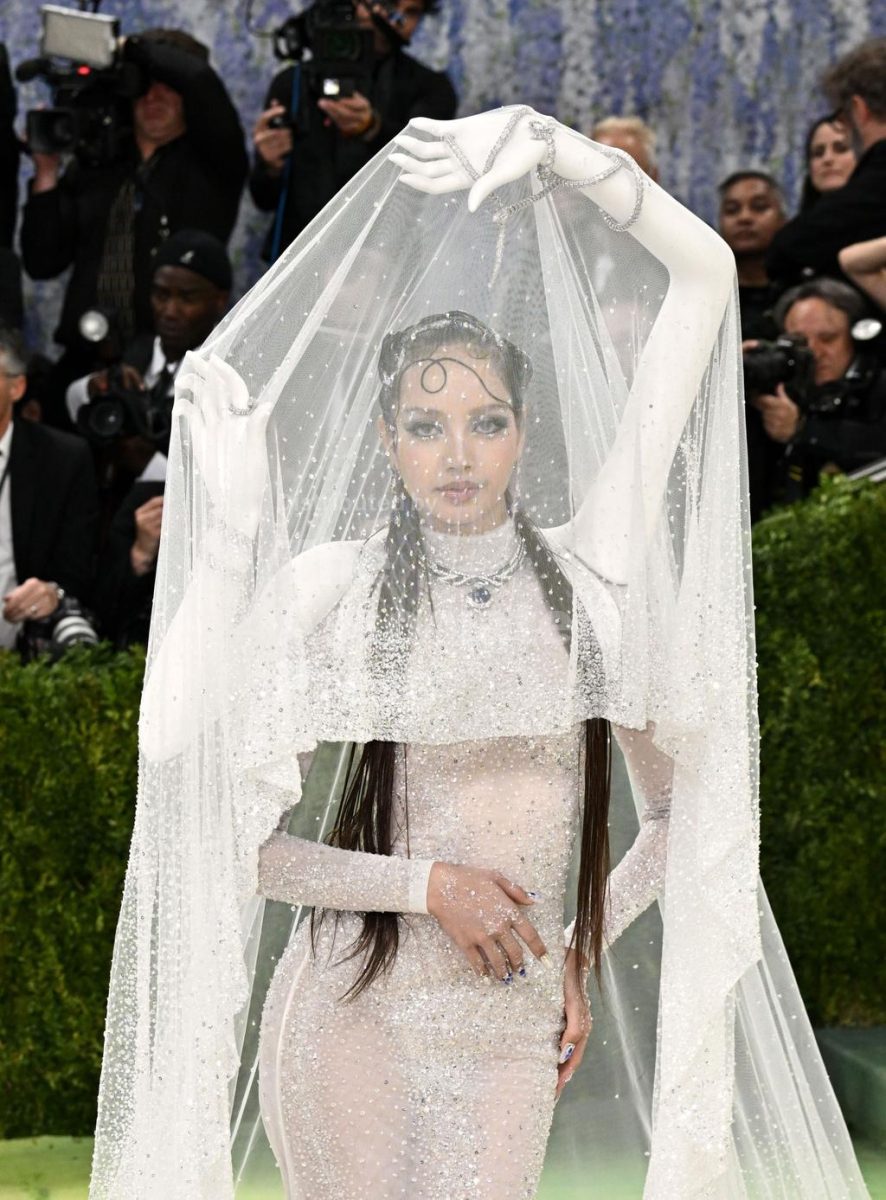
The 2026 Met Gala especially highlighted this shift. This year’s theme, “Costume Art,” and dress code, “Fashion Is Art,” were meant to celebrate the relationship between fashion and artistic expression. While some celebrities and designers embraced the theme through detailed designs and creative symbolism, much of the online conversation still focused on memes, rankings, and viral moments rather than the artistic meaning behind the designs. Even before the event ended, social media feeds were already flooded with “best and worst dressed” debates and reaction videos.
Celebrity culture often overshadows the designers themselves. Many people remember which celebrity wore a specific outfit, but not the designer who spent months creating it. The attention is placed almost entirely on the celebrity’s appearance, turning fashion into another form of personal branding. Even influencers and internet personalities are now invited to the event, which has changed how audiences view the Met Gala overall. We’re losing the concept of the Met Gala, and it no longer feels exclusive to fashion and art, but instead like another extension of online celebrity culture.
More people are paying attention to fashion than ever before, but accessibility does not always lead to appreciation. Much of the online discussion surrounding the Met Gala focuses more on mockery, controversy, and entertainment than on the artistic meaning behind the designs.
The Met Gala still claims to celebrate fashion, but social media has transformed the event into something much different. Today, the reactions often matter more than the outfits themselves. In many ways, the Met Gala reflects modern internet culture as a whole: heavily performative and driven by virality. Fashion may still be present, but it no longer feels like the main event.