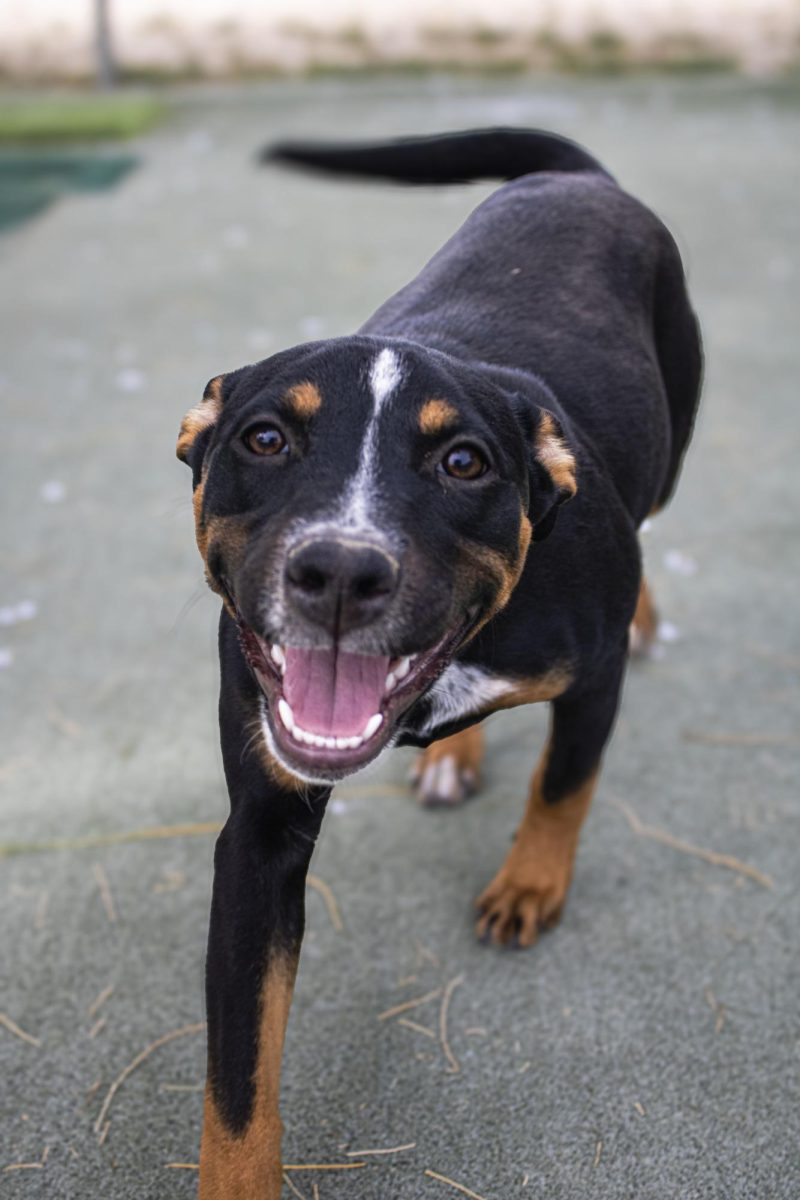
In 2017, the city of Desert Hot Springs began handling its animal care and control operations in house. In 2024, it acquired an animal sanctuary and expanded those services.
The Desert Hot Springs Animal Care and Control shelter operates as a no-kill facility, except in limited cases when euthanasia is considered, such as when an animal is in such poor condition that it cannot live comfortably.
The shelter is committed to saving lives and placing animals in permanent homes, even as overcrowding continues across Riverside County. Tiyler Messer, compliance manager who oversees operations at the shelter, said the city has implemented several changes to improve conditions for animals.
“Since the city has taken over, we’ve enrolled all officers in the Cal-Animal Control Officer Certification program, enhancing their skills and knowledge. We’ve also hosted multiple adoption events in collaboration with our shelter volunteers, successfully facilitating and showcasing animal adoptions. Additionally, we recently switched the chemicals used to clean to be safer for the dogs to be around,” said Messer.
In 2025, a total of 688 animals were brought in. Of those, 333 were returned to their owners, 114 were adopted, and 113 were rescued in partnership with Pilots for Paws and transported to shelters nationwide. Often, when a pet is placed in a shelter, there is an underlying economic struggle.
Danielle Munnik is the adoption and rescue coordinator at the Desert Hot Springs Animal Care and Control shelter. Munnik has had a lifelong passion for animal care and aims to be a voice for the animals at the shelter.
“I feel like right now there’s just such a crisis,” she said. “There’s such an overpopulation. They need advocates. These animals need advocates. They don’t have a voice, so we’re trying to get them seen and give them a chance at a good life.”
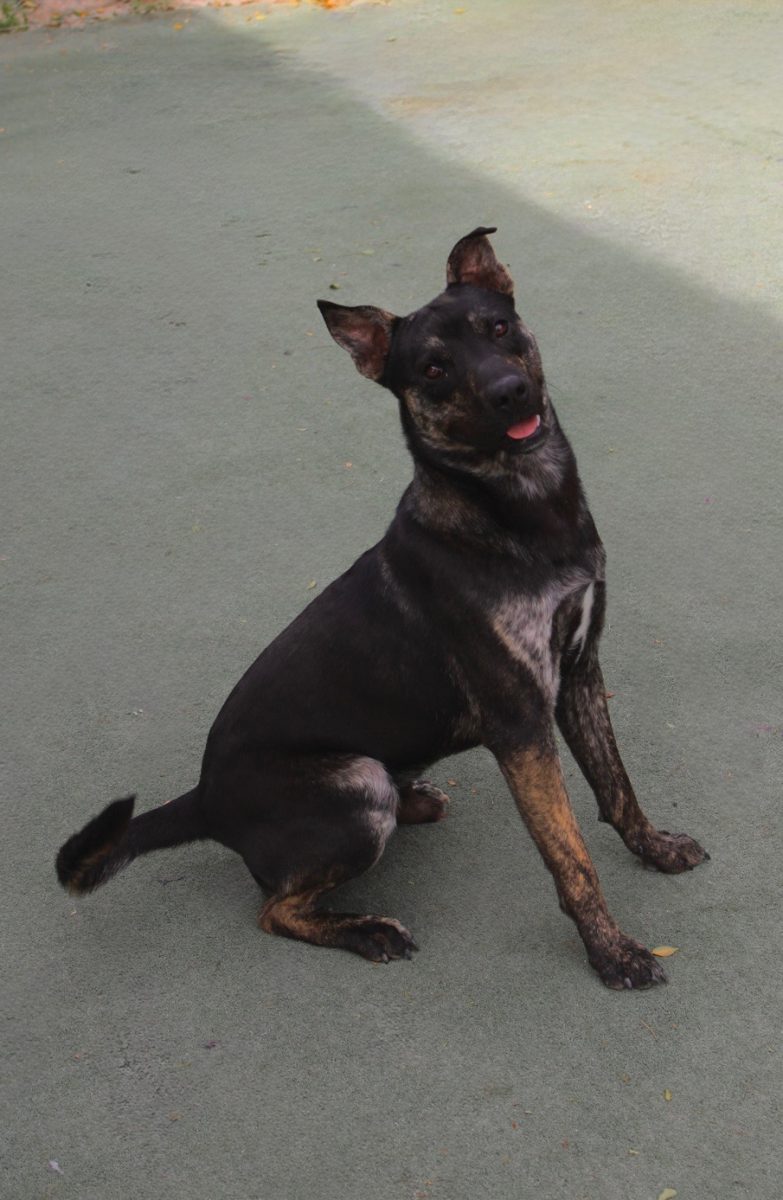
Munnik encourages anyone who thinks shelter animals are “problem animals” to reconsider.
“I think they assume the owner didn’t want the animal because it was a problem, so they opened the door and let that problem dog go, which isn’t the case,” she said. “I would say for every 10 dogs, we might have one or two that are a little more behavioral — they just didn’t get the socialization, so they don’t know how to be.”
“They come into the home, and most of them just want to avoid making mistakes because they don’t want to mess this up,” Munnik said. “They usually have all been failed, either ditched by their owner or, in some cases, after an owner has passed away.”
Some hidden benefits of shelter adoption are that all animals adopted out have up-to-date vaccinations, are spayed or neutered, and have a microchip, these are all included in the adoption fee at the Desert Hot Springs Animal Care and Control shelter.
If adoption is not possible, there is still a way for the community to make an impact: The shelter relies on volunteers to help walk dogs during the week. Each dog gets a 15-minute walk in addition to time in a play yard. The shelter is looking for more volunteers to serve as dog walkers. Taking advantage of this opportunity not only helps the dogs but also benefits the people walking them.
Research shows that working with animals can lower stress levels. For example, two Washington State University students conducted a research study in which randomly selected students were given 10 minutes of hands-on interaction with pets from a local shelter. The researchers found that those who interacted with the animals exhibited significantly lower salivary cortisol levels at posttest.
For students, especially, adopting an animal from a shelter is a meaningful way to make a difference while gaining a loyal companion, rather than contributing to demand for breeders. Animal adoption directly helps reduce the number of strays in a community and supports shelters working with limited space and resources. Looking to shelters first is not only a compassionate choice but also a practical one that benefits animals, shelters and the community. Even students who cannot adopt can still help by volunteering, fostering, donating supplies or spreading awareness.
The stray animal crisis in Riverside County affects more than shelters. It affects communities, families and students across the Coachella Valley. By understanding the scale of the issue and choosing adoption when possible, students can help create positive change for animals in need while also supporting their own well-being.