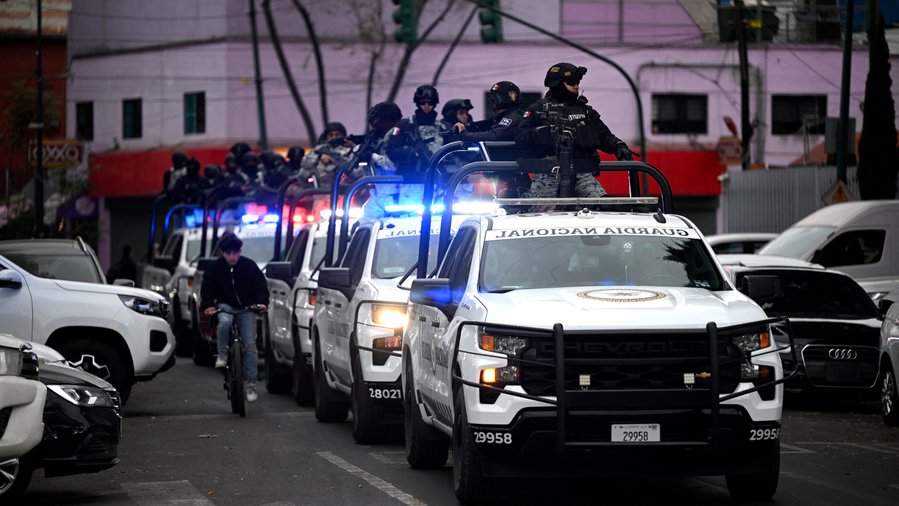
The Mexican army has killed one of the country’s most powerful drug cartel leaders, Nemesio Ruben Oseguera Cervantes, known as “El Mencho.” Authorities said Oseguera Cervantes died in custody while being transported to Mexico City following his arrest in Tapalpa, Jalisco, on Feb. 22.
Oseguera Cervantes was the leader and co-founder of the Jalisco New Generation Cartel, with a $15 million bounty on his head, and has been linked to the trafficking of cocaine, heroin, methamphetamine, and more recently, fentanyl. Since its formation in 2007, the cartel has expanded its reach across the Mexican states of Jalisco, Nayarit and Colima and established connections with international crime networks.
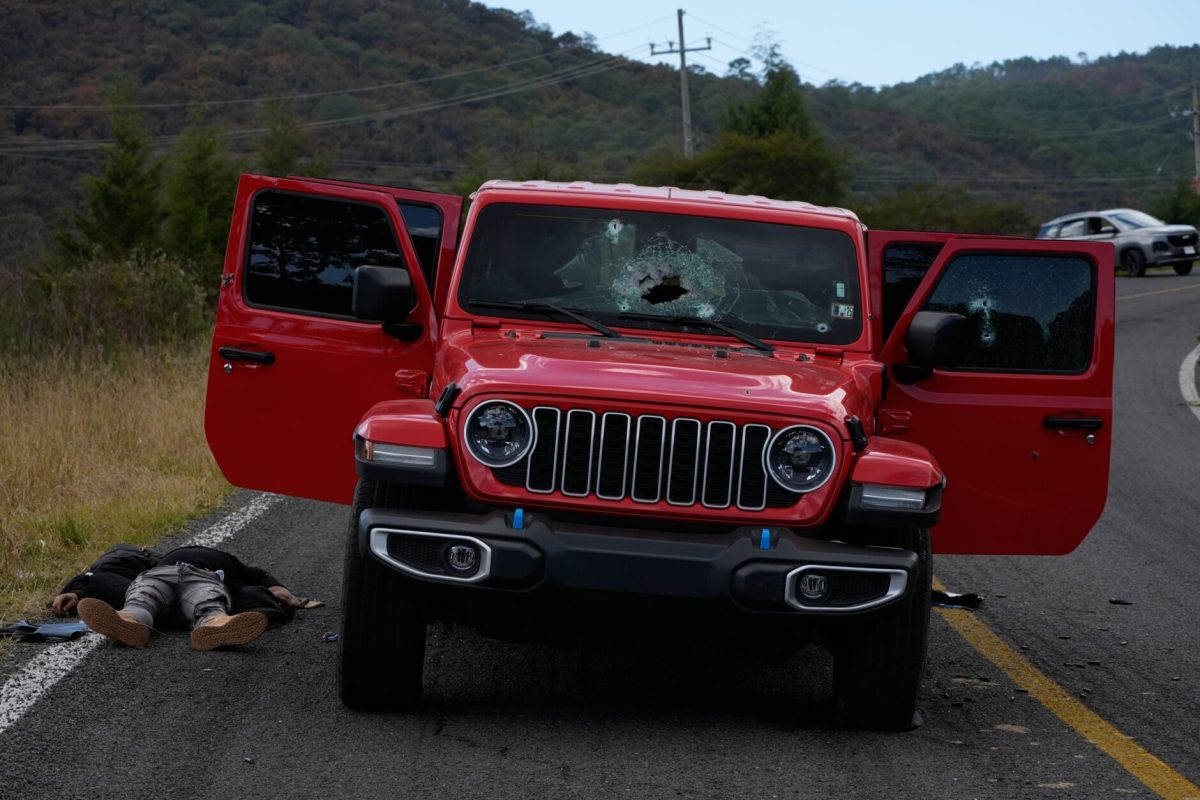
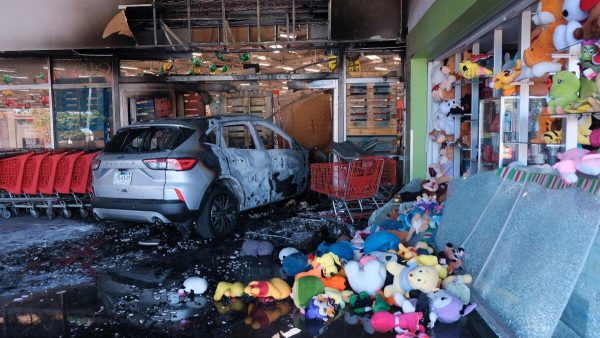
His death sparked a wave of violence as cartel members responded with over 250 roadblocks in 20 states. Vehicles, including public transportation, were set ablaze. Businesses, pharmacies, and banks were also targets for arson, and authorities reported shootouts and hazardous debris, such as spikes and nails, scattered on roads. Citizens were urged to remain indoors as authorites worked to restore order.
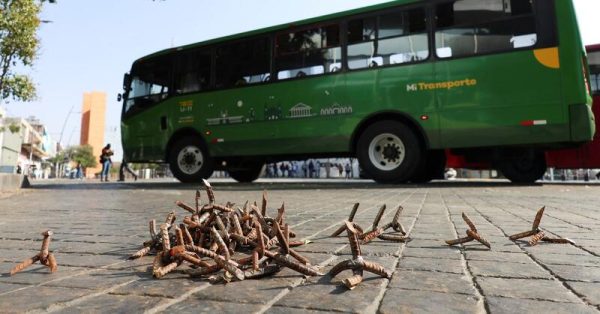
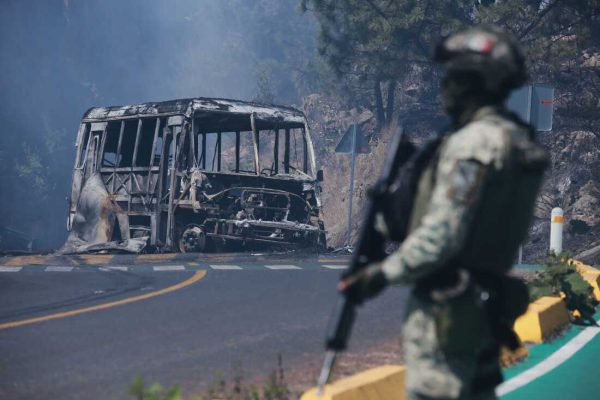
Mexican civilians were unable to work. Schools had canceled classes in several states. Public transportation came to a halt, and store owners closed their business, uncertain whether they would have a business to come back to.
President Claudia Sheinbaum claims Mexico has been facing severe pressure from the United States as Trump threatened to send the U.S military to confront the drug trafficking crisis. Sheinbaum admitted that US intelligence and surveillance were used in the operation, although ground forces were not implemented. Over 70 people died during the operation, including Mexican security forces and cartel members.
During his State of the Union address, President Donald Trump cited the assassination of Oseguera Cervantes as a victory for the United States. Many argue that this assertion is misleading and diminishes the role played by Mexico’s military in the operation.
Since the begining of 2026, Trump has ramped up pressure on Claudia Sheinbaum to take stronger action against the country’s drug cartels. While Trump announced a military coalition targeting the cartels, Sheinbaum countered that the United States should prioritize their attention to its own demand for drugs and address illegal arms trafficking across the border.
Mexico’s defense minister says 80% of cartel weapons are purchased in the U.S. and smuggled into Mexico. Under Mexico’s strict gun laws, civilians can buy handguns only from a single government-run store in the capital.
Brody Childers, a student at College of the Desert, said President Donald Trump’s framing of the assassination is “a bit misleading.” He added, “With all the resources and tax dollars, the United States should allocate them better. In a way, I think it’s more negligence on their part than on Mexico.”
Perla Lugo Trejo, a College of the Desert student, said her parents live in Mexico’s border region and work in U.S. border states. Her family was unable to go to work during the height of the chaos as borders closed in response to Oseguera Cervantes’ death. She said of gun smuggling across the border, “There is a lack of gun laws here. They want more guns out there. Less gun laws means less security.”
Jariah McClelland, a College of the Desert student, said they knew someone who was at the Guadalajara airport when cartel gunman were present and panic stirred. “I’m not surprised that they [the United States] are involved…but I feel like nobody really pays attention to what’s going on, like if it doesn’t involve them, then it’s not really important.”
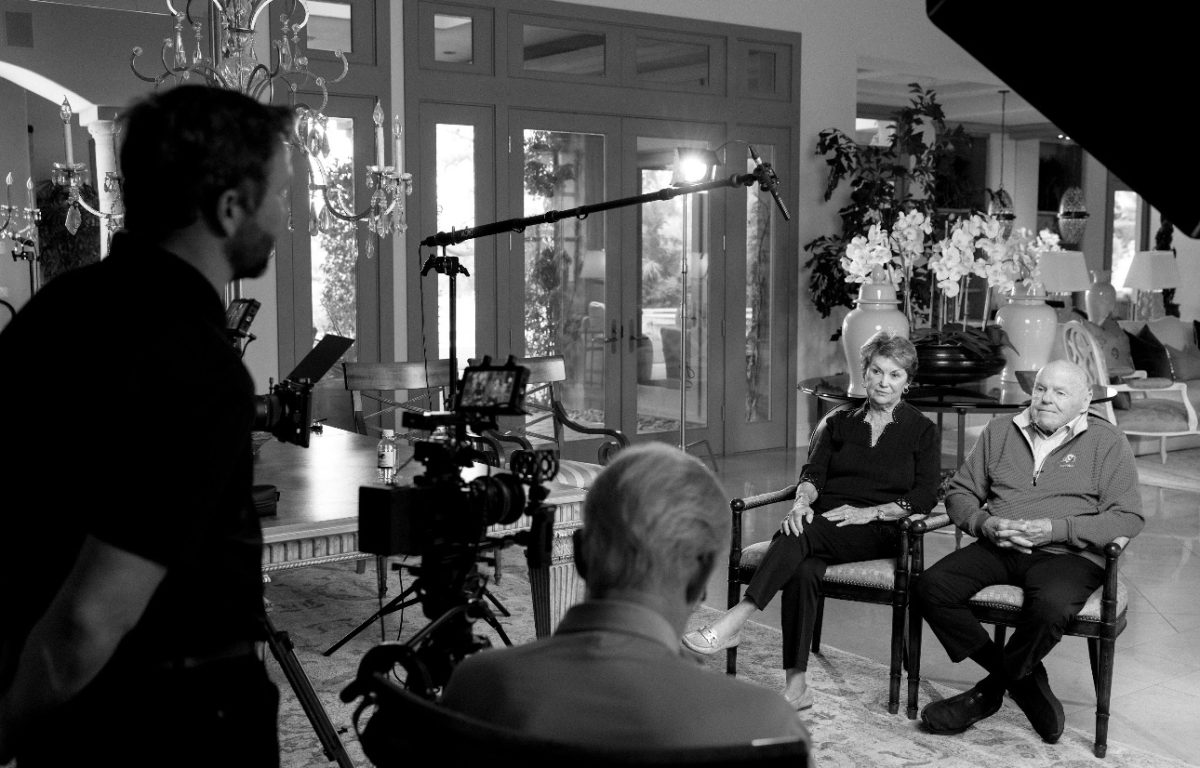
The Chaparral interviewed several local residents, most of whom said they received the news via social media. COD students said they saw videos on TikTok or Instagram. Older residents with family in Mexico said they follow Facebook pages for their hometowns, where locals share insights about their communities.
Rita Camarena, a local resident, has kids and family in San Miguel Tateposco, Jalisco, one of the neighboring cities to Guadalajara. She shared that her family had just held a party at a venue the day before the assassination. The next day they saw on the Facebook page that the gas station next to the venue they were at had been burned down. She explained she was unable to reach her family during the time as there was no stable signal or power. “My family couldn’t work… three days without working and without a day of work is a day without eating.”
Fatima Garibaldi, a local resident with family in Mexico, echoed multiple concerns. “For the United States, selling weapons is big business. If they couldn’t buy weapons here to send over there, maybe the drug traffickers wouldn’t have as much power. Sometimes they have weapons that not even the military has… it seems illogical to me.” She said drug trafficking is a responsibility shared by both countries. “Here in the United States, there are drug traffickers too, but they don’t really investigate them. There are so many people who use drugs here and so many who bring them in—but who are the ones receiving them?”
Residents in the U.S. and Mexico have many questions about how to address drug trafficking. Stay tuned to The Chaparral for more local reactions to international news.