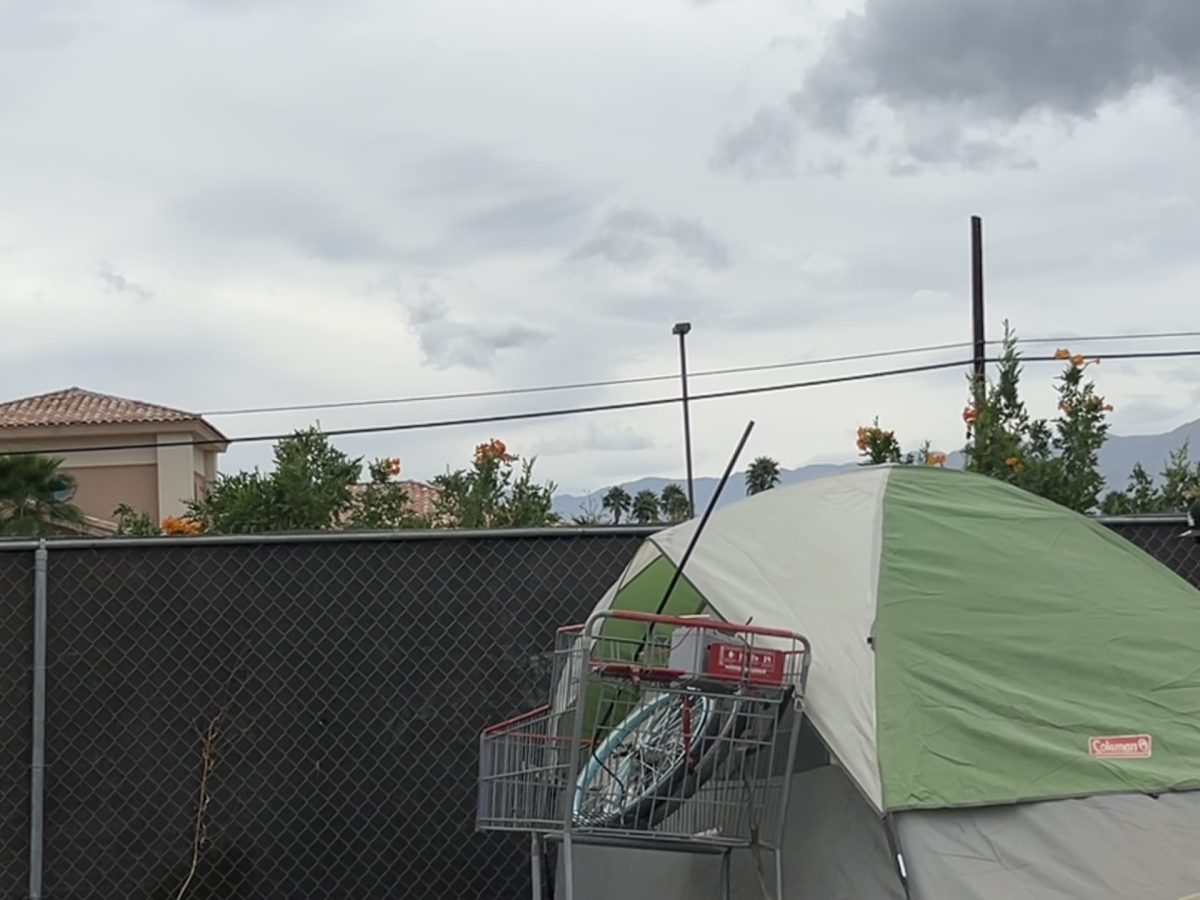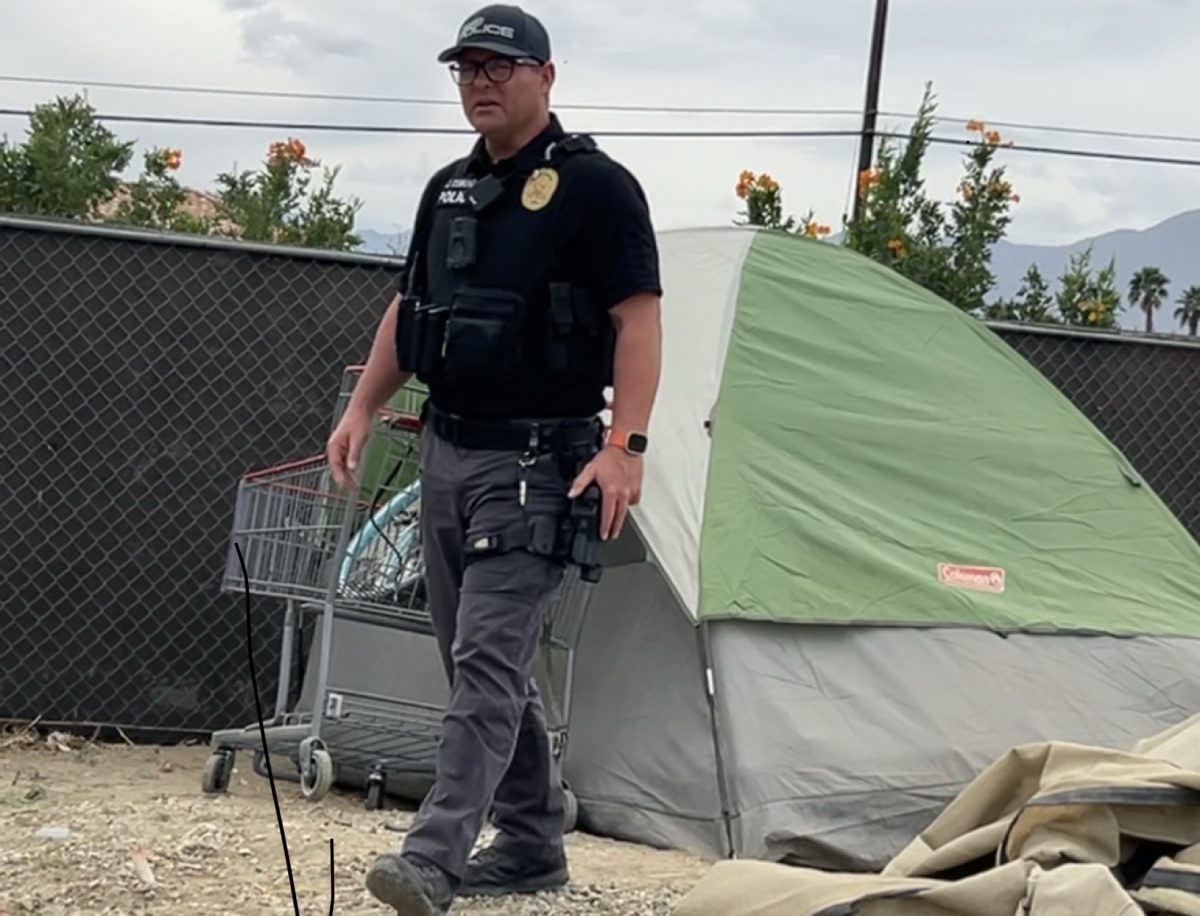
Tracking homelessness remains a persistent challenge for researchers, as many traditional surveys fail to capture people without stable housing.
This article is the first in a four-part series examining homelessness through statistical research and personal interviews. The remaining parts will be published in the coming weeks and linked as they become available.
Rates of homelessness in any given area are difficult to measure. Major sociological surveys including the General Social Survey conducted by the National Opinion Research Center at the University of Chicago rely on in-person interviews with individuals who have fixed addresses. That approach inherently excludes people who lack stable housing, leaving critical gaps in the data.
The current commonly accepted method used by California to create a semi-reliable measure of the pervasiveness of housing insecurity relies on the willingness of those suffering to accept help from programs, but this comes with the obvious drawback of not being able to count those who refuse services.
This data is gathered from various sources, from publicly funded municipal programs to faith-based charities, and then categorized into groups roughly defined by geographic region and population into something called a Continuum of Care or CoC.
Even with this incomplete data set, according to estimates based on data from California’s Interagency Council on Homelessness, homelessness rates in CoC 608, the CoC designated for Riverside County, have grown by at least 74.68% in the past five years.
An individual’s vulnerability to homelessness can be directly linked to their demographic background. Coming from a background that has suffered from historically significant systemic exclusion has lasting effects that have not begun to be repaired. For instance, Black residents of Riverside County are 3.1 times as likely to experience homelessness, and Native Hawaiians and Pacific Islanders are 50% more likely compared with other demographic groups, according to 2024 data. While Latino and Hispanic residents face slightly lower relative homelessness rates, this figure has increased sharply in recent years.
Another demographic whose homelessness rates have increased drastically year over year is unaccompanied minors. As one College of the Desert student put it, “They’re also getting younger, they’re getting much, much younger.”
The numbers back this up. According to the California Interagency Council on Homelessness, the homeless population under the age of 18 has increased by 165% in CoC 608.
Queer youth, especially, are an overrepresented demographic. Queer people generally are twice as likely, and trans people specifically almost six times more likely, to experience homelessness than their cisgender, heterosexual peers, according to the Williams Institute.
The trans homelessness rate can no longer be accurately approximated in the United States, following changes to HUD guidelines made by the current administration.
Homelessness is not a moral failing, but rather a reflection of material conditions. Contrary to popular belief, a majority of people who experience homelessness and housing insecurity are employed, according to a study conducted by the University of Chicago.
Almost a quarter of American households are currently living paycheck to paycheck, according to Bank of America’s internal data, while a survey conducted by Willow Research on behalf of PNC Bank found that 68% of respondents were living paycheck to paycheck. A single major expense, such as emergency healthcare, can be the thin line keeping these workers from homelessness.
Inflation continues to outpace real wage growth, as outlined by Bankrate. Transportation and grocery costs, which were already high in California, are rapidly rising due to the war with Iran and are expected to rise even further in the coming weeks.
In the second part of this series, the root causes of poverty and its cyclical nature will be examined, with insight gained from personal interviews with locals who have experienced, or are currently experiencing, homelessness.